

Roof Insurance Claims Assistance in Texas
Navigating insurance restoration claims can be stressful. Our team provides support with thorough documentation, adjuster coordination, and professional guidance for roofing and other claim-related restoration work. Free inspections for Texas homeowners.
How We Help With Your Roof Insurance Claim
Our experienced team understands the insurance claims process. We provide thorough documentation and professional roofing expertise to help guide you from the initial inspection through completion of your roofing project.
Complete Documentation
We thoroughly document all damage with photos, measurements, and detailed reports.
Adjuster Coordination
It's beneficial to have your contractor present when the adjuster visits to provide detailed information about your roof's condition.
Claims Documentation Expertise
We've created a comprehensive process for documenting damage and restoration requirements across your entire insurance claim, not just your roof.
Photo Evidence
Professional documentation of all damage before, during, and after repairs.
Understanding Roof Insurance Claims in Texas
Texas homeowners face more severe weather than almost any other state. Knowing how your insurance policy covers roof damage is the first step toward a successful claim.
What Is Typically Covered
Homeowners insurance policies may cover roof damage caused by sudden events such as hail storms, high winds, tornadoes, fallen trees, lightning strikes, and fire. Coverage, deductibles, exclusions, and payment amounts depend on the terms of your individual policy and the insurer's claim determination.
Texas experiences some of the highest hail and wind activity in the country, making roof insurance claims one of the most common types filed by homeowners in the state.
What Is NOT Typically Covered
Insurance policies generally do not cover damage caused by normal wear and tear, lack of maintenance, or gradual deterioration. If your roof has reached the end of its expected lifespan and fails due to age, that is not a covered event. Cosmetic-only damage policies may also exclude hail damage that does not affect the roof's function.
Understanding these exclusions before you file helps set realistic expectations and allows your contractor to focus documentation on the covered damage.
ACV vs. RCV Policies
Your payout depends on whether you have an Actual Cash Value (ACV) or Replacement Cost Value (RCV) policy. ACV policies deduct depreciation from the payout, meaning you receive less as your roof ages. RCV policies cover the full cost of replacing your roof with materials of similar kind and quality, regardless of the roof's age.
If you have an RCV policy, the insurance company typically issues the initial payment minus depreciation, then releases the remaining depreciation (called recoverable depreciation) after repairs are completed. We document the work needed to restore your property to applicable building codes, manufacturer requirements, and our quality standards, providing your insurance carrier with supporting documentation for supplements, approved scope, and recoverable depreciation
Filing Promptly Matters
Texas insurance policies have deadlines for filing claims, typically requiring notice within one to two years of the damage event. Filing promptly is important because storm damage can worsen over time. What starts as a minor leak can lead to rotted decking, mold, and interior damage that complicates the claim.
Having Hometown present during the adjuster's inspection helps ensure storm damage is properly documented. Unlike a roof-only contractor, our restoration team evaluates the entire property and documents the full restoration scope.
Types of Storm Damage We Document
Accurate documentation is the foundation of a successful roof insurance claim. Our inspectors are trained to identify and photograph every type of storm damage your roof may have sustained.
Hail Damage
Hail is one of the most common causes of roof insurance claims in Texas. We document bruised and cracked shingles, dented metal components, granule loss patterns, and fractured tiles. Our inspectors use chalk circles and close-up photography to capture every impact point so adjusters can verify the full extent of damage.
Wind Damage
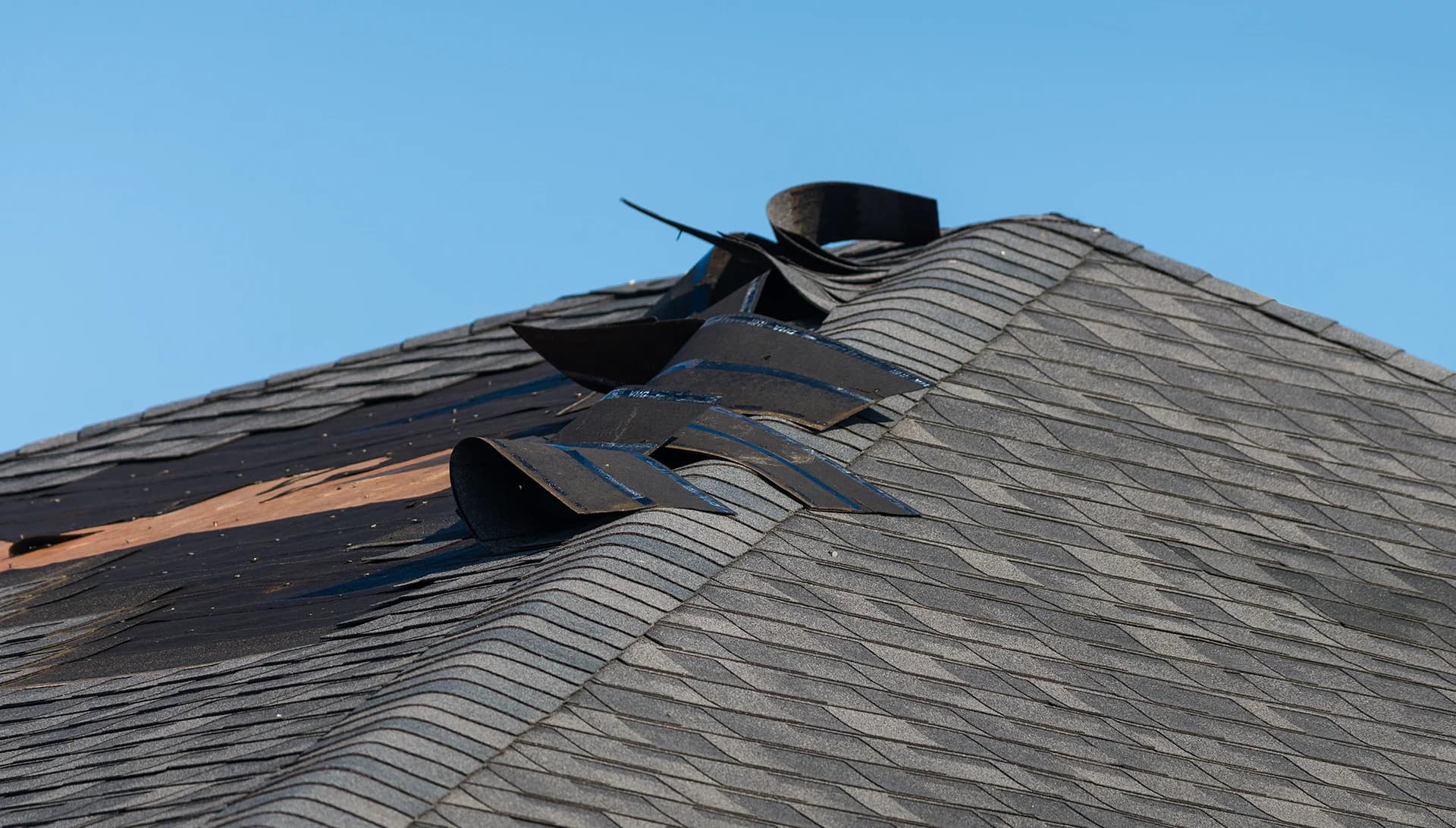
High winds can lift, curl, or tear shingles from the roof deck, leaving the underlayment exposed. We identify missing shingles, blown-off ridge caps, loosened flashing, and wind-driven debris damage. Proper documentation of wind patterns and directional damage is critical for a successful insurance claim.
Water Damage
Water intrusion from compromised roofing leads to interior leaks, ceiling stains, rotted decking, and potential mold growth. We trace every leak back to its source on the roof, document moisture readings, and photograph interior damage to connect it to the exterior cause for your claim.
Tree and Debris Damage
Fallen branches and trees can puncture roofing materials, crush gutters, and cause structural damage to decking and rafters. We assess the full scope of impact, including damage that may not be visible from the ground, and document everything for your insurance carrier.
Our Roof Insurance Claims Process
From the initial inspection to the final walkthrough, we handle the details so you can focus on what matters most.
Free Inspection
We inspect your property and document all damage at no cost to you.
Prepare Your Documentation
We provide a thorough assessment and supporting documentation for you to use with your claim submission.
Adjuster Visit
Having your contractor present during the adjuster's visit helps provide detailed information about your roof's condition.
Additional Repair Documentation
We document any additional work required and prepare a detailed report with supporting evidence for supplemental repair items.
Quality Repairs
We complete all repairs to the highest standards.
Final Walkthrough
We ensure you're completely satisfied before closing the project.
Roof Insurance Claims: Common Questions
Get answers to the most common questions about filing roof insurance claims in Texas.
Do I have to pay anything upfront?
In most cases, you only pay your deductible. We provide thorough documentation to assist you throughout the claims process.
Will filing a claim raise my rates?
Storm damage from hail, wind, and severe weather is often considered an “Act of God” because it is outside your control. Filing a claim does not automatically raise your individual rate; rates are influenced by many factors, including storm losses and claims across your area.
How long do I have to file a claim?
Time limits vary by policy, but we recommend filing as soon as possible after discovering damage. Most Texas homeowner policies require notice within one to two years of the damage event. Filing promptly protects your coverage rights and ensures the damage can be clearly attributed to the storm.
What if my claim is denied?
We can provide additional roofing documentation and technical information for you to submit to your insurer. You may also request a re-inspection and have your contractor present to provide information about the roof damage and required repairs.
What does roof insurance claims assistance include?
Our restoration services begin with a thorough inspection of the entire property to identify storm-related damage. We document our findings with photos and measurements, attend the adjuster inspection when requested, and provide detailed estimates and supporting documentation for the restoration work.
How do I file a roof insurance claim in Texas?
Start by contacting a reputable roofing contractor for a free inspection. Once damage is documented, call your insurance company to open a claim. Provide the documentation from your contractor and schedule the adjuster visit. Having your roofer present during the adjuster inspection is highly recommended. After approval, your contractor can complete the agreed roofing repairs. Your out-of-pocket costs will depend on your policy, deductible, coverage, and contracted work.
Can I choose my own roofing contractor for an insurance claim?
Yes. Texas law protects your right to choose your own roofing contractor. Your insurance company cannot require you to use a specific contractor or one from their preferred vendor list. Choosing an experienced, local contractor who understands the insurance process gives you the best outcome for your claim.
What is a supplement in roof insurance claims?
Supplemental documentation may be provided when additional repair work or damage is identified that was not included in the original insurance estimate. During the repair process, contractors may discover hidden damage such as rotted decking, damaged underlayment, or code-related repair requirements. The contractor can provide estimates and supporting documentation for these additional repair items for the insurer to review.
How long does a roof insurance claim take in Texas?
Most roof insurance claims in Texas take between two to eight weeks from filing to completion. The timeline depends on factors like insurance company responsiveness, adjuster scheduling, whether supplements are needed, and material availability. Texas law requires insurance companies to acknowledge claims within 15 days and accept or deny them within 15 business days after receiving all documentation.
What if my roof insurance claim is underpaid?
If you believe your claim does not include the full scope of storm-related damage, we can provide supporting evidence, supplemental estimates, and documentation or assist during a re-inspection. In the rare event additional help is needed, you may consult a licensed public adjuster or attorney.
Need Roof Insurance Claims Assistance?
We provide detailed inspections and documentation that make the restoration process easy. With 50+ years of combined industry experience, we deliver the professionalism that sets true restoration experts apart.
Explore Related Services
Discover other ways we can help protect and improve your property.
Storm Damage Repair
24/7 emergency response for hail, wind, and storm damage.
Learn MoreRoof Replacement
Complete tear-off and installation with premium materials.
Learn MoreResidential Roofing
Inspections, repairs, and full replacements for homeowners.
Learn MoreRoof Leak Repair
Emergency and scheduled leak detection and repair.
Learn More